Land
Cover crops between rows. Compost from spent grounds. No synthetic herbicides on the slopes that drain into the village's water.
A bag of Kingness does many quiet things before it reaches you. It pays a grower above market price. It travels in paper, not plastic. It carries waste back to the roastery to be reborn as a cup. The land gives generously — we owe it something back.
Cover crops between rows. Compost from spent grounds. No synthetic herbicides on the slopes that drain into the village's water.
Above-market pricing for every lot. Direct contracts with the three founding families. Reinvestment in the village school and the road that goes to it.
Recycled paper bags lined with cellulose. Spent grounds pressed into the cups we serve from. No plastic in anything that touches the bean.
Free cupping training for grower families. Soil-sample sharing across the three plots. Every protocol we develop, written down and given away.
After brewing, the grounds go to a small press behind the roastery. They are bound with food-grade resin and shaped into demitasse cups. Each cup carries the smell of coffee even before you pour. They are not single-use, but if you break one, we will replace it from the next press.
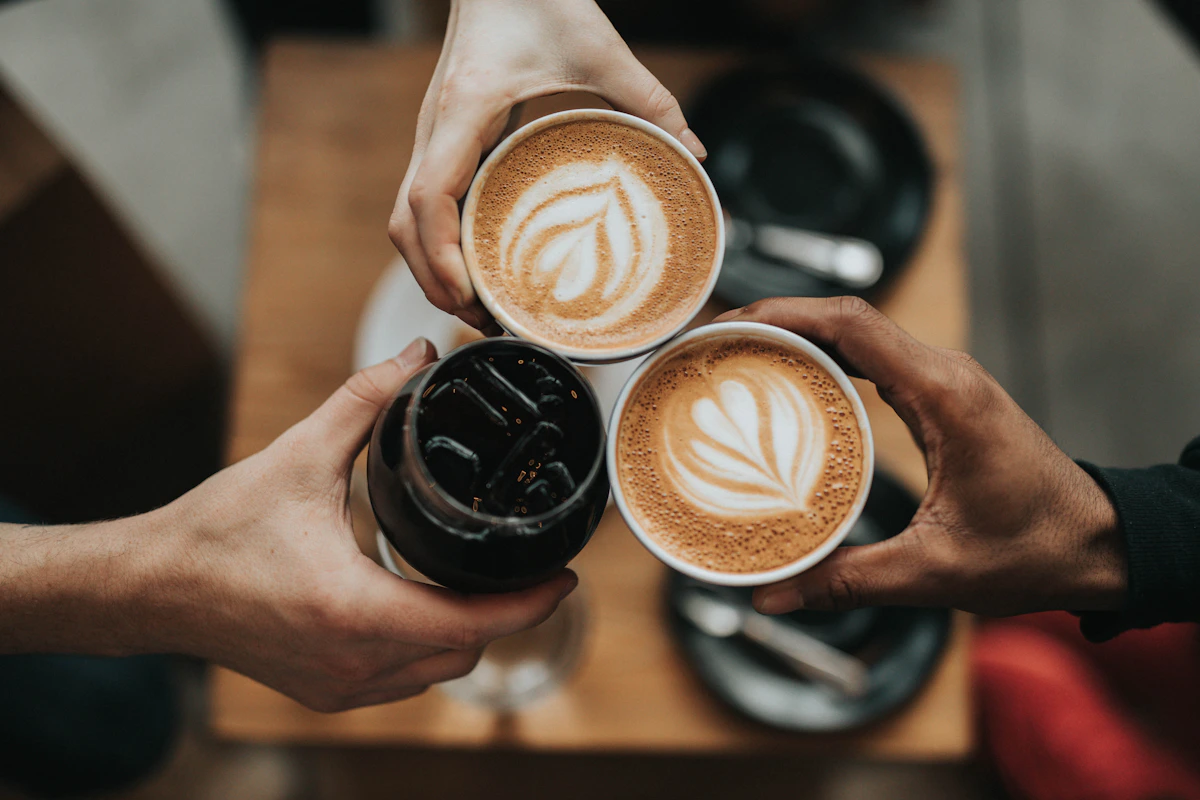 Pressed grounds · cup workshop
When the global Arabica price falls, we pay the same. When it climbs, we pay 32% above. Three families. Six plots. Forty-two hectares. The relationship is direct, and the price on the bag includes their share — printed on the side, so you can see it.
Meet the families Plot 14 · Harvest 2026
Open Tuesday through Sunday in Da Lat. Or write to us — we ship internationally.
Plan a visit